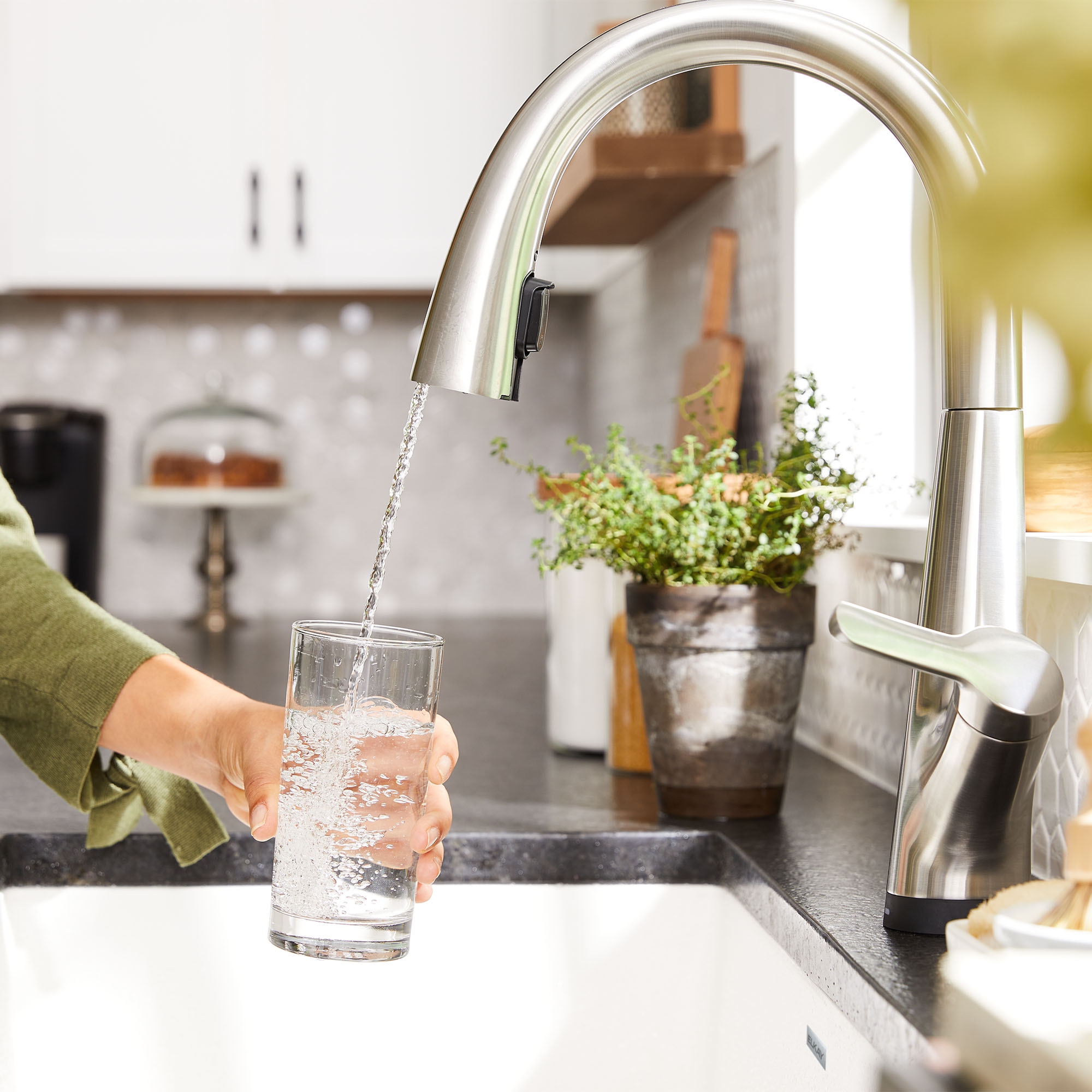
WATER?
Find out in seconds.
Even clear, “safe” tap water can contain PFAS, lead, microplastics, and other contaminants you’d never know about. Checking your local water quality is the first step to protecting your home.
Why You Should Check?
Your water may meet legal standards — but those standards haven’t kept up with today’s concerns. PFAS (“forever chemicals”), lead from aging pipes, and invisible particles like microplastics are being found in water systems across the country.
A quick zip code search can show you exactly what’s in yours.
What You’ll Learn?
A quick search will reveal:
-
Which contaminants were detected
-
How your water compares to health-based guidelines
-
Whether PFAS and lead are present
-
Which filtration types are recommended
Use the EWG Tap Water Database — the most widely used public tool for understanding local water quality.
EWG is an independent organization. F Street links to their Tap Water Database as a public resource.
What To Do Next?
A certified filtration system at the tap makes the biggest difference.
If your report shows elevated contaminants, upgrading your filtration is the fastest way to improve drinking water at home.
Pitchers, fridge filters, and bottled water help with taste — but most do not significantly reduce PFAS, lead, or microplastics.
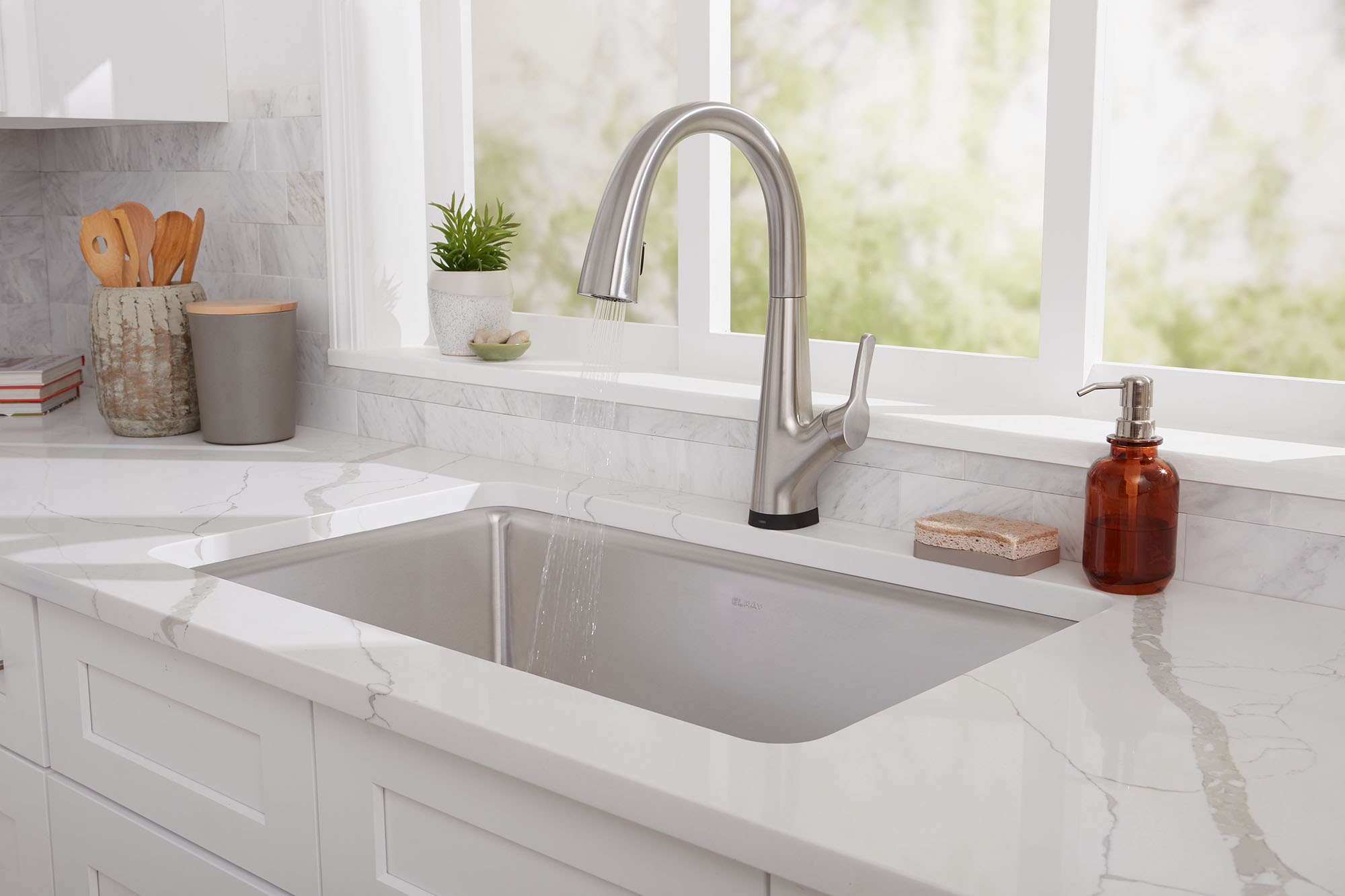
Explore the Avado 2-in-1 Filtered Faucet
Get safer, better-tasting filtered water directly from the faucet you already use — no counter clutter, no extra holes, no plastic waste. All for just pennies a day.
Clean water is necessity, not a luxury.
Now you can have cleaner, safer water anytime you turn on your faucet.